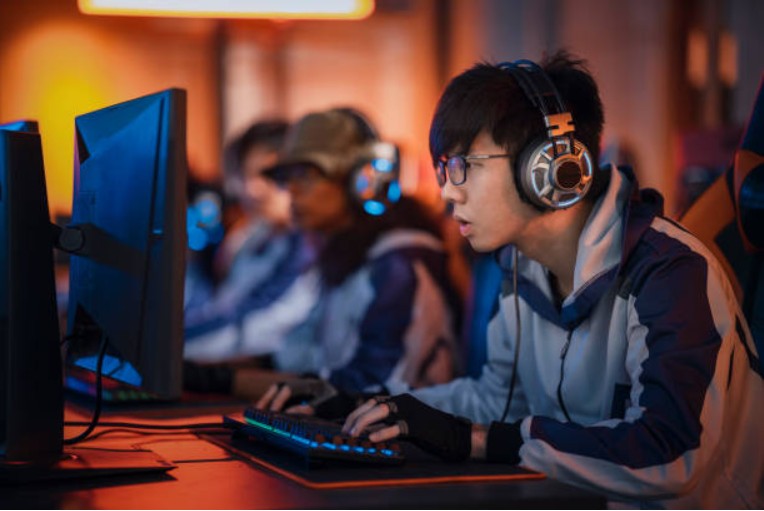
Why do some online gaming communities feel strangely familiar, even when the players have never met in person?
The answer is social gravity. It is the mix of shared goals, regular contact, inside jokes, and mutual trust that keeps people returning long after the first match ends. In online spaces, that pull can be stronger than the game itself, because people are often coming back for the group as much as for the activity.
Once a community forms, small interactions start to matter. A quick reply in chat, a helpful tip, or a calm teammate during a bad round can shape how people feel about the group. Over time, those repeated moments create a sense of belonging that is hard to fake and even harder to replace.
Shared Goals And Shared Identity
The first force holding a gaming community together is a common purpose.
Why People Stick Around
People join with a reason: to improve skills, complete challenges, or simply enjoy the same type of play. That shared goal gives the group a clear identity.
Even when members are not online at the same time, they know they are part of something with a rhythm and direction. A space like tangandewa link can be a useful example of how players often gather around a central place, not just for access, but for the social routine that grows around it.
Identity also comes from language. Every active group develops its own slang, shorthand, and reaction habits. New members learn fast that they are not just playing a title; they are joining a culture.
Trust And Repeated Contact
The second force is trust built through repetition.
Small Moments Add Up
Online communities rarely form from one big event. They grow through many small ones. Showing up on time, playing fairly, and keeping promises all matter. When people see that behavior over and over, they start to trust each other. That trust makes teamwork easier and conflict less damaging.
Repeated contact also makes names familiar. A player who starts as a stranger becomes a regular, then a reliable teammate, then part of the group memory. That slow shift is one reason communities last longer than random matchmaking sessions.
Emotion, Humor, And Shared Memory
The third force is emotional connection.
Inside Jokes Keep Groups Warm
Gaming groups remember the same clutch win, the same bad loss, and the same funny mistake. Those memories become reference points that members return to again and again. Humor helps too. Inside jokes create a feeling of membership because only the people who were there fully understand them.
That feeling can be surprisingly sticky. A community with a strong emotional tone often keeps people around during quiet periods, since members are attached to the people, not just the activity. The social side can be just as compelling as the play itself, as seen in spaces where tools like sbobet88 become part of how people keep the conversation going.
Final Thoughts
Healthy groups also need rules, even if they are informal. People stay because they feel seen, remembered, and useful. The game gives them a reason to meet, but the community gives them a reason to return.