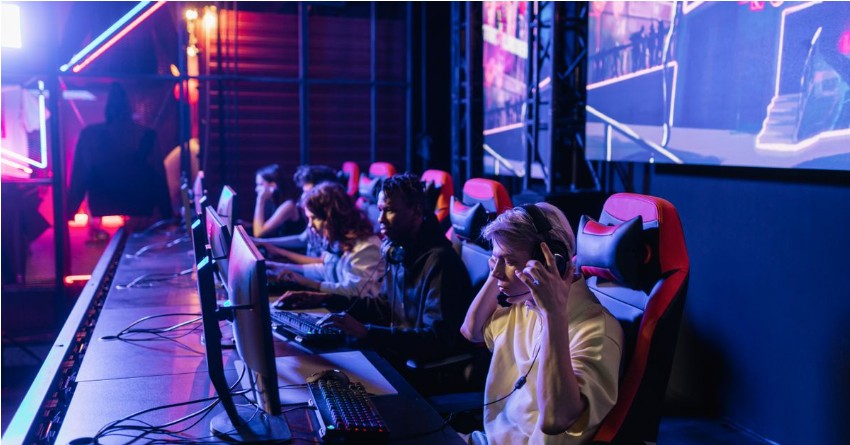
Have you ever noticed how a game can feel more social than a group chat? Online gaming has grown into a daily hangout spot where people talk, team up, joke around, and keep friendships going across cities and time zones. It is no longer just about scoring points or finishing missions. It is also about being part of a shared routine.
That shift happened because games started to support real conversation, not just competition. Voice chat, text chat, shared objectives, and casual drop-in play turned gaming into a place where people spend time together in a low-pressure way. For many players, logging in feels a lot like meeting friends after school or after work.
As a social space, gaming has its own habits, humor, and rules. People form crews, support each other, and remember small details about each other’s lives. Some players even treat their regular group like a standing social circle, and a name like bandot can easily become part of a shared online identity that carries meaning inside the group.
From Solo Play To Shared Time
Online gaming started as a mostly private activity, but connected play changed that fast. Once players could meet in the same session, they were no longer just using a product. They were spending time together in a shared space.
Communication Became Part Of The Fun
Short messages, voice chat, and quick reactions made conversation part of the action. People did not need long calls or formal plans. They could join a match, talk a little, and stay connected without much effort. That ease made gaming feel natural for busy people.
Routine Turned Into Social Ritual
Regular playtimes became social habits. Friends met after classes, coworkers played late at night, and cousins kept in touch through weekly sessions. These repeated moments built familiarity, which is often what real social life depends on.
Why Games Feel Social In A Different Way
Online games make talking and cooperating feel simple, which is a big reason people keep coming back.
Low Pressure, High Connection
In games, people can talk while doing something else, so silence does not feel awkward. That makes it easier for shy players to join in. It also helps friendships grow without the pressure of formal conversation.
Shared Goals Create Fast Bonds
Working toward the same objective can build trust quickly. Players learn each other’s habits, strengths, and timing. A teammate who listens, helps, and stays calm often becomes someone people want to play with again. In some groups, even a username like bandot88 can become a familiar tag that signals a trusted regular.
How Gaming Fits Modern Social Life
For many people, gaming now sits beside texting, streaming, and social media as part of daily connection.
Long-Distance Friendships Stay Active
Friends who live far apart can still spend time together in games. That matters because busy schedules often make face-to-face plans harder. Gaming gives people a shared activity that can happen from almost anywhere.
Communities Grow Around Shared Habits
Players often join small groups that share interests, humor, and play styles. Over time, these groups become places for support, casual talk, and regular contact. That is why online gaming has become more than entertainment. It now works as a form of digital social life, built on presence, repetition, and human connection.