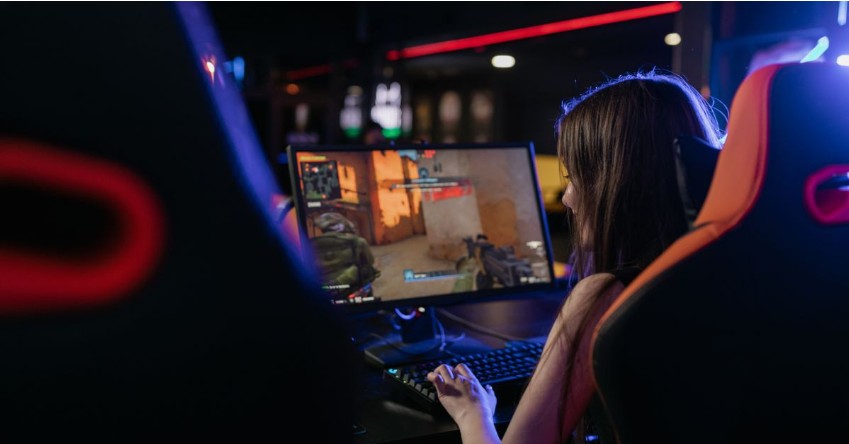
Have you ever noticed how online gaming can feel less like a pastime and more like a place people return to every day?
That shift did not happen by accident. Online games changed from simple solo challenges into social spaces where people talk, cooperate, compete, and relax together. For many players, logging in is not only about winning a match. It is also about seeing familiar names, sharing small moments, and keeping up with a group.
As internet access improved and multiplayer features became common, gaming started to fill some of the same roles once tied to clubs, sports, and neighborhood hangouts. It gives people a routine, a shared language, and a way to stay connected across distance and busy schedules.
Why Daily Play Feels Social
At its core, online gaming works because it gives people repeated contact.
Shared Routines Build Familiarity
When people play at the same time each day, they begin to expect each other. A quick evening session can turn into a social ritual, much like meeting friends after work or checking in with a group chat. Repetition creates comfort, and comfort helps people return.
Small Interactions Matter
Not every connection in gaming comes from long conversations. A short message, a team strategy, or even a familiar username can build a sense of belonging. These low-pressure interactions are part of why online gaming feels accessible to so many people.
In some corners of online play, people even compare how different communities form around specific spaces, including places linked through terms like gol88, because they are interested in how regular participation creates group identity over time.
How Games Became Places To Meet
Games now function as social settings as much as entertainment.
Voice Chat Changed Everything
Once players could speak in real time, online matches became more personal. Tone of voice adds humor, trust, and emotion in a way text alone cannot. That made teamwork smoother and friendships easier to build.
Distance Stopped Being A Barrier
Friends who live in different cities can still spend time together in a game. That matters because adult life often makes in-person meetups harder. Online gaming offers a simple way to stay present in each other’s routines without travel, planning, or cost getting in the way.
Competition And Cooperation Both Create Community
People do not need to agree on everything to feel connected.
Team Play Encourages Trust
Cooperative play asks people to rely on each other. One person defends, another plans, another steps in at the right moment. These repeated acts of support build group memory. Over time, players learn each other’s habits and strengths, which makes the experience feel personal.
Friendly Rivalry Keeps People Invested
Competition also helps communities stay active. Rivalries create stories people remember and talk about later. A close match, a comeback, or a funny mistake can become part of a group’s shared history, giving people more reason to return the next day.
Digital Identity Plays A Bigger Role
Online gaming gives people a steady way to express themselves.
Usernames And Roles Create Recognition
In many gaming spaces, people become known for how they play, how they communicate, or the role they take on in a team. That recognition can feel meaningful because it comes from repeated interaction. People like being remembered, and online games make that easy.
Communities Grow Around Shared Habits
When players gather around the same style of play, schedule, or challenge, a culture forms. You can see this in many parts of the internet, including discussion patterns around links such as https://www.togel123.com/, where recurring participation often turns a simple activity into a regular social circle.
Why People Keep Choosing It Daily
The daily appeal comes from convenience, connection, and consistency.
It Fits Modern Schedules
Online gaming can fill ten minutes or three hours. That flexibility makes it easy to fit into daily life. People can join quickly, talk to friends, and feel part of something without needing a long plan.
It Offers A Sense Of Belonging
For many players, the strongest pull is not the game itself but the people around it. Shared jokes, regular teammates, and familiar spaces create a community people want to maintain. When that happens, online gaming stops being just a screen-based activity and becomes one of the daily places where social life happens.